The question of whether artificial intelligence can truly replace humans is a fascinating and highly relevant one.
My recent experience producing a test commercial entirely with AI revealed that the technology is more limited than I initially thought. The people I created felt soulless, leading me to conclude that AI is worse than I had first perceived.
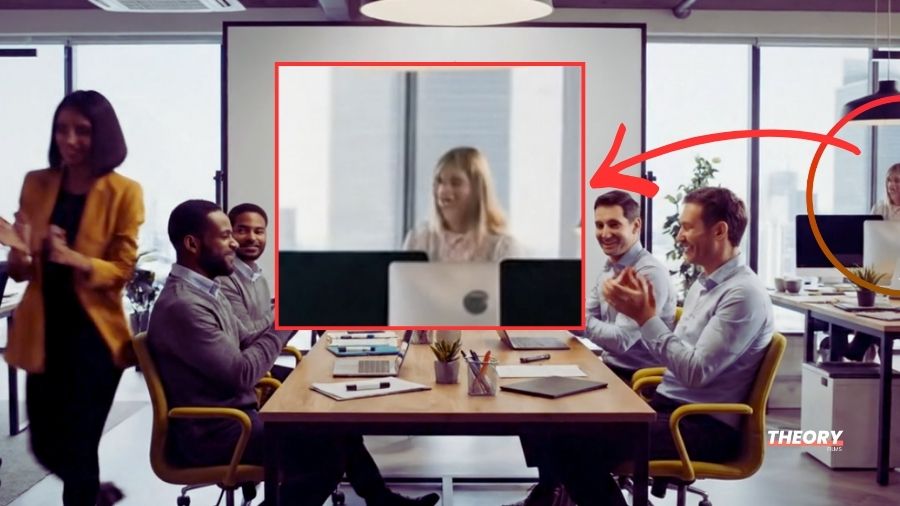
In October [2025], I decided to experiment with using AI (specifically Google VEO 3) to handle the entire production process for my test commercial. The goal? Generate everything—the talent, the lighting, the location. No actors with “creative differences,” no lighting rigs, just me and a keyboard.
And let me tell you, it was a disaster.
I started with hours of research. I spent my time trying to figure out “continuity”, making sure the actors don’t have a beard in one shot and a clean shave in the next because the computer forgot what it was doing.
To keep the setting and the characters consistent, I had to write, rewrite, and copy-paste prompts that were longer than the T&Cs of your mobile phone contract. Honestly, at one point, I thought about just robbing a bank to fund a real crew. It would’ve been far less stressful.
But I persisted. And the results? Abysmal. Even the simplest scenes looked like a fever dream directed by my three-year-old. I eventually threw in the towel. And no, this isn’t the part of the story where I have a “Rocky” montage and figure it out. I just quit.The problem wasn’t just technical; it was visceral. The characters moved… weird. They had that “unnatural AI glide”—like they were trying to walk through a vat of invisible mayonnaise.
But more importantly, it had no soul. I know, I’m sounding all spiritual, but in filmmaking it’s real. You can prompt an AI character to cry, but that character hasn’t actually lived through anything. It hasn’t had its heart broken, it hasn’t lost a pet, and it certainly hasn’t spent three hours on the phone to HMRC.
When you know the “person” on screen has zero real-world experience to draw from, the whole thing feels two-dimensional. It’s flat.
We’re all hitting a bit of AI fatigue, aren’t we? It’s the new “gluten-free.” It’s everywhere, half the time we don’t need it, and it usually makes the final product taste like cardboard.
Yes, AI is here to stay. It’s a tool. It’s a glorified assistant. It can help you organise your calendar or find a recipe for kale chips, but it’s not a replacement for the human experience. At the end of the day, we don’t want to connect with code; we want to connect with people.
So, I’m finishing my commercial, but I’m doing it the old-fashioned way: Hiring humans. Using real talent. Collaborating with people who have actually lived.
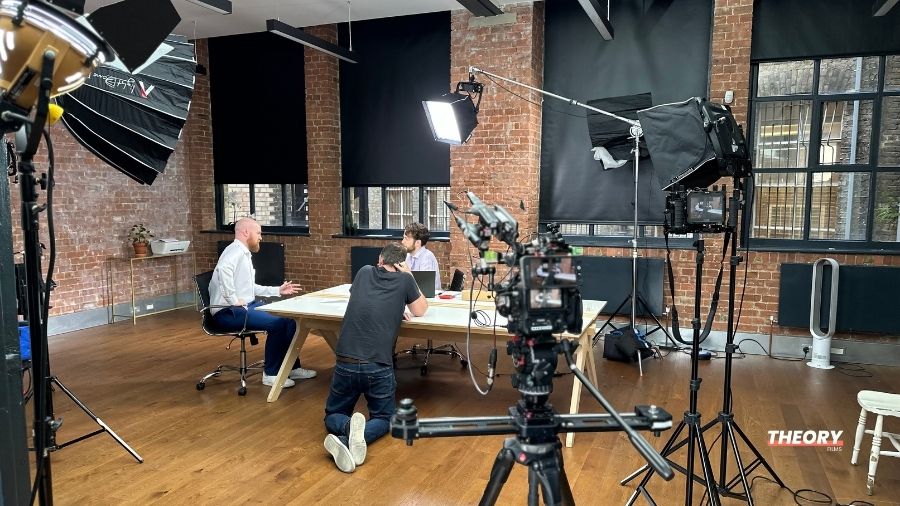
I want a production that’s got some grit, some sweat, and maybe a little bit of human error. Because that’s what makes it art. Otherwise, it’s just math—and I didn’t get into this business to do math.